Walgreens

Retail PharmacyWorkflow Transformation

Redesigning a high-volume prescription data review workflow across a multi-application pharmacy ecosystem used at 9,000+ retail locations.

ROLE

Senior UX Designer

SCOPE

Interaction design, workflow modeling, usability validation

PLATFORM

Multi-application pharmacy ecosystem · Figma (Workflow Design, Prototyping)

KEY OUTCOME

~200% workflow efficiency improvement

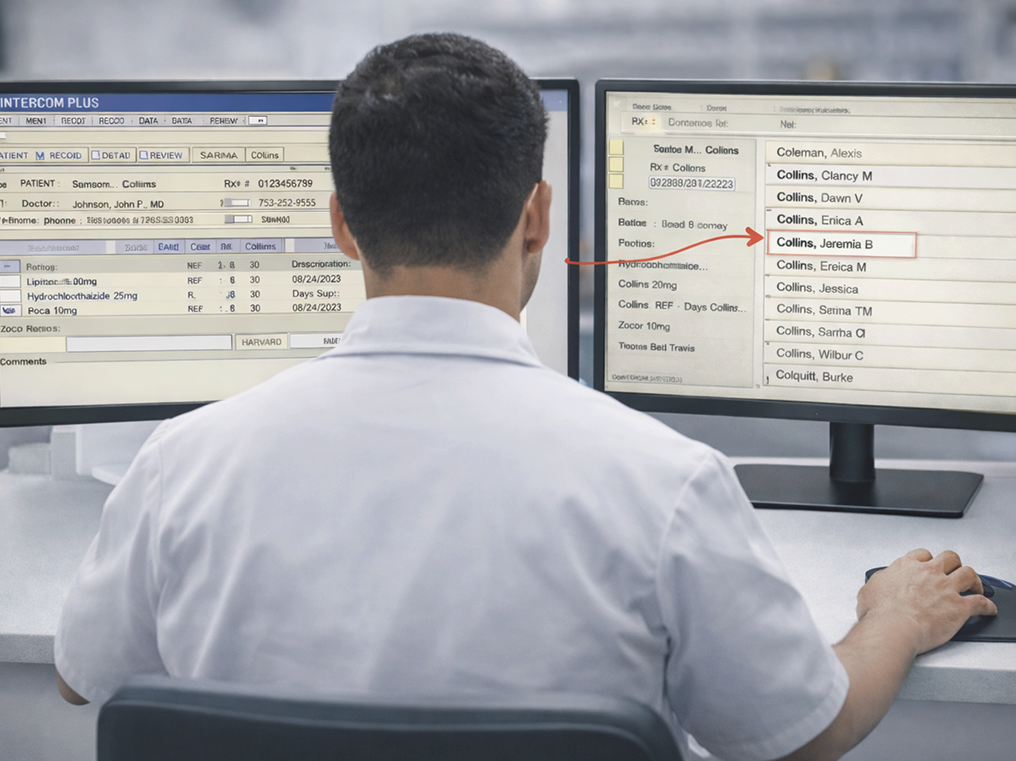
Pharmacy team workflow dashboard across connected applications

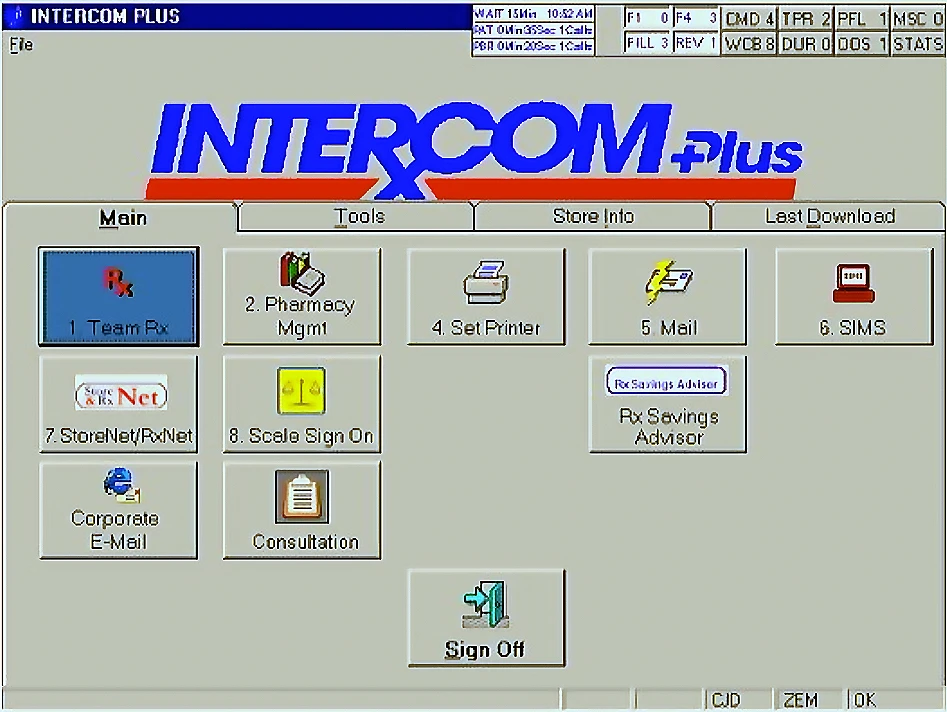
Walgreens' in-store prescription review workflow was slow, fragmented, and heavily dependent on inefficient interaction patterns. Pharmacists were required to navigate multiple disconnected systems, reprocess large amounts of data for minor edits, and manage unclear communication loops with technicians. This occurred in a high-interruption, time-critical environment.

These inefficiencies increased cognitive load, slowed prescription throughput, and introduced avoidable errors in a high-stakes setting.

Over a 16-week engagement, I led the redesign of the Data Review workflow, one of seven core system verticals. The approach focused on restructuring workflows around real-world pharmacy behavior, reducing context switching across systems, and introducing interaction patterns optimized for speed and accuracy.

The result was a more cohesive and efficient workflow system that reduced friction and improved task completion speed across the prescription lifecycle.

Executive Summary

The Business Problem & The User Problem
Walgreens lacked a cohesive prescription review workflow. Pharmacists navigated multiple disconnected systems, reprocessed entire records for minor corrections, relied on mouse-heavy input with limited keyboard support, and managed unclear communication loops with technicians. At scale across 9,000+ locations, these inefficiencies directly impacted operational throughput, staff productivity, and patient service speed.
The Strategic Solution
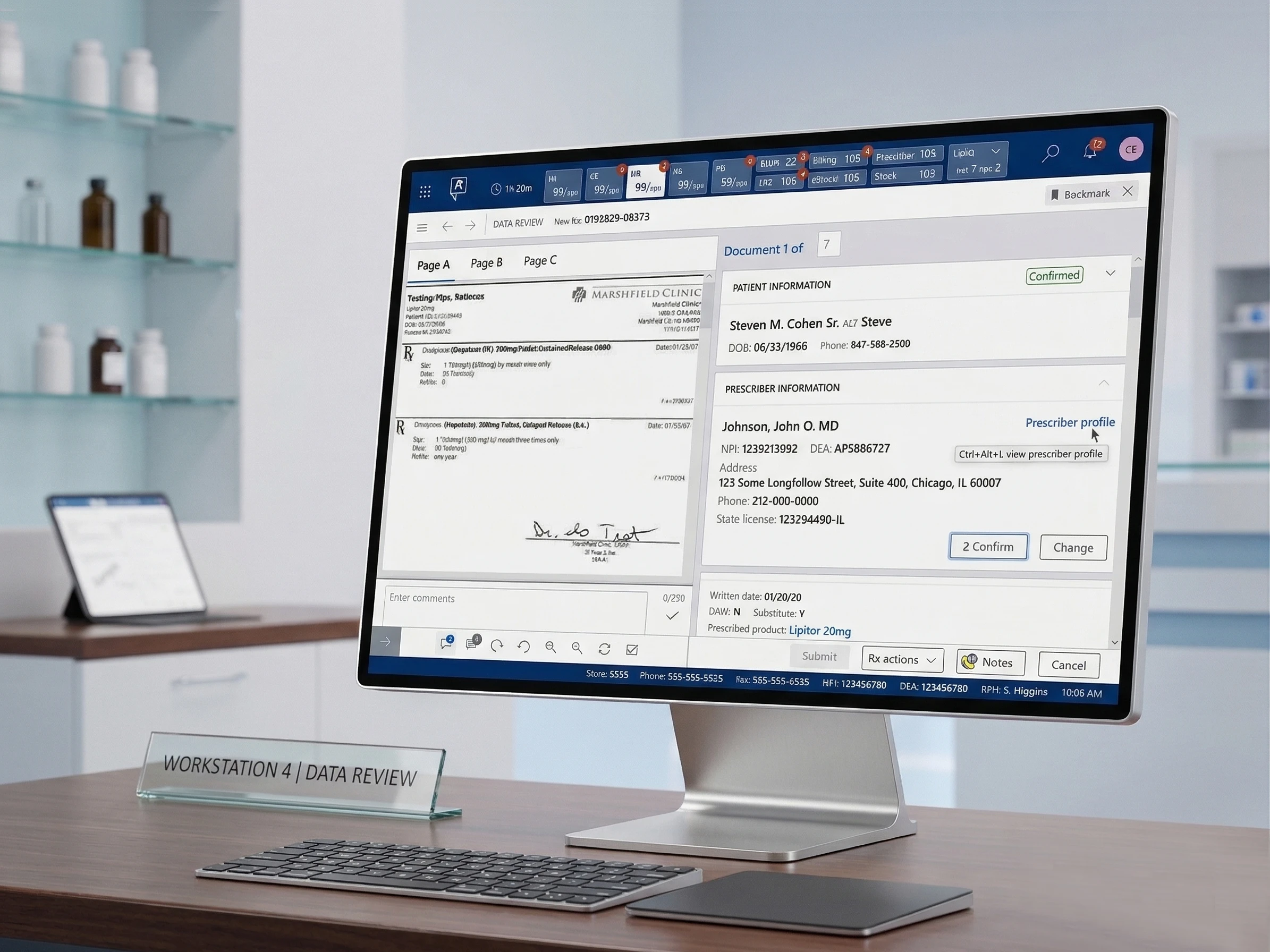
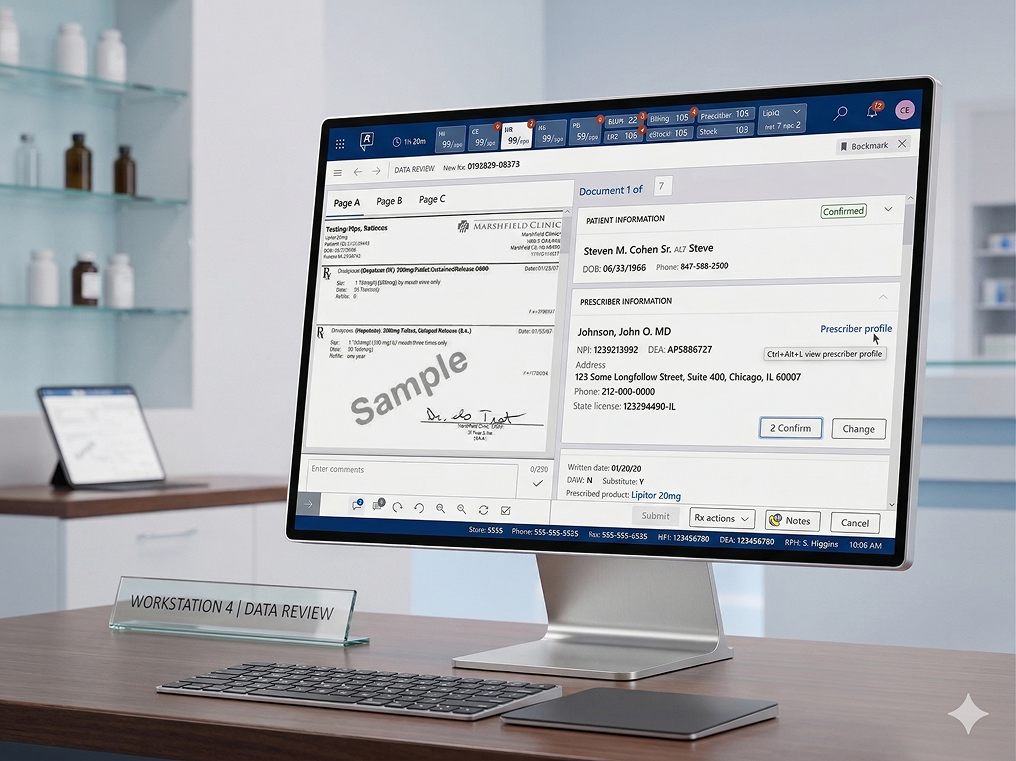
I redesigned the Data Review workflow within a multi-application pharmacy ecosystem, shifting from a record-based model to a task-based, modular structure. The solution introduced keyboard-first interaction patterns, embedded source data directly into the review interface, and added contextual exception handling. This reduced friction and improved accuracy without replacing the broader system.
My Role & Leadership Scope
I led UX design for the Data Review workflow, one of seven core system verticals. I translated complex pharmacy workflows into structured user flows, conducted workflow shadowing and co-design sessions with pharmacists, designed interaction patterns optimized for speed and accuracy, and contributed reusable components to the broader design system.
Impact
The redesigned workflow delivered a reported ~200% improvement in efficiency, reduced task completion time through optimized interaction patterns, decreased clarification errors between pharmacists and technicians, and established design patterns that scaled across additional workflow verticals within the system.
~200%Workflow efficiency improvement
9,000+Retail locations impacted

Business Outcomes

WORKFLOW EFFICIENCY
~200%

Workflow Efficiency Improvement

Faster prescription review throughput

CLARIFICATION ERRORS
25%

Reduction in Clarification Errors

Fewer pharmacist-technician handoff issues

TASK NAVIGATION
20%

Faster Task Navigation

Reduced time to complete core actions

Restructured workflows from record-based review to modular, task-oriented components
Eliminated context switching through a unified prescription data and source validation interface
Improved first-pass resolution through contextual, field-level exception handling
Design patterns scaled across additional workflow verticals within the broader pharmacy system

Outcomes based on stakeholder reporting, workflow analysis, and post-launch operational trends.

System Transformation

From fragmented workflows to a structured, scalable platform

Before
Fragmented pharmacy workflow across disconnected applications
Fragmented workflows across multiple applications
Manual coordination between roles
Limited visibility into task progress
High cognitive load and frequent interruptions
Inefficient mouse-dependent input methods
After
Task-based pharmacy workflow with unified prescription data
Streamlined, task-based workflow structure
Unified view of prescription data and source validation
Inline communication between pharmacists and technicians
Persistent progress tracking across workflow tasks
Keyboard-optimized interaction model

Structural Bottlenecks

Five critical workflow friction points compounded across a high-volume pharmacy environment, creating measurable inefficiency, increased error rates, and slowed prescription throughput.

01

Reprocessing Overhead

Pharmacists were required to re-read entire prescription records to make minor corrections, wasting time on repetitive review and increasing cognitive fatigue.

02

Inefficient Interaction Model

The system relied heavily on mouse-based input with limited keyboard support, resulting in slower navigation and reduced throughput in high-volume scenarios.

03

Ambiguous Exception Handling

Errors could be flagged but without context or specificity, forcing technicians to re-analyze entire records and increasing back-and-forth communication.

04

Fragmented Cross-System Validation

Prescription verification required switching between multiple applications and windows, causing loss of context, increased error potential, and workflow interruptions.

05

Loss of Workflow State

No clear indicators of progress or completion existed across tasks. Users lost their place after interruptions, leading to repeated work and reduced efficiency.

Decision Framework & Constraints

The redesign operated within several critical constraints. Each major design decision was made with awareness of those boundaries and required explicit tradeoffs.

Operating Constraints

Existing System Architecture

The solution needed to integrate into a multi-application ecosystem rather than replace it.

High-Interruption Work Environment

Pharmacists frequently switch context mid-task, requiring strong state persistence across interactions.

Speed and Accuracy Requirements

Workflows needed to be faster without introducing risk at prescription validation points.

Cross-Role Dependency

Pharmacists and technicians rely on each other to complete workflows efficiently. Communication design was critical.

Nationwide Rollout Considerations

Changes needed to minimize disruption and support adoption at scale across 9,000+ locations.

Key Design Decisions

1

Shift from Record-Based to Task-Based Workflow

Problem: Users were forced to process entire records regardless of task scope.

Decision: Break workflows into modular, task-oriented components with progressive disclosure.

Impact: Reduced unnecessary reprocessing and improved task efficiency.

2

Introduce Keyboard-First Interaction Model

Problem: Mouse-heavy interactions slowed throughput in time-critical environments.

Decision: Design keyboard-driven navigation and confirmation patterns throughout the workflow.

Impact: Improved speed of interaction and reduced repetitive strain.

3

Embed Source Data Directly into Workflow

Problem: Users had to switch between applications to validate prescriptions.

Decision: Display prescription data and source image side-by-side within a unified interface.

Impact: Eliminated context switching and improved verification speed and accuracy.

4

Implement Contextual Exception Handling

Problem: Error communication lacked clarity and context.

Decision: Introduce inline, field-level commenting tied directly to specific data points.

Impact: Reduced ambiguity and improved first-pass resolution by technicians.

5

Add Persistent Visual Progress Indicators

Problem: Users lost track of workflow progress after interruptions.

Decision: Introduce visual markers to indicate reviewed vs. pending workflow sections.

Impact: Improved task continuity and reduced redundant work after interruptions.

Tradeoffs & Rationale

Speed vs. Accuracy

Increasing speed in prescription workflows introduces clinical risk.

Optimize low-risk interactions (navigation, confirmation) while preserving safeguards at validation points.

Flexibility vs. Standardization

Pharmacy workflows vary slightly across locations and user preferences.

Standardize core interaction patterns while allowing limited flexibility in task handling.

System Replacement vs. Incremental Improvement

A full system rebuild was not feasible within the engagement scope.

Focus on workflow optimization within existing system constraints for maximum near-term impact.

Detailed Process

I redesigned the underlying workflow to better support how pharmacists and technicians operate, reducing cognitive load and improving throughput across the fulfillment process.

What I Learned

The most meaningful outcome was not just improved metrics, but a shift in how the system felt to its users.

Pharmacists described the experience as lighter, faster, and easier to navigate. This enabled them to focus less on managing the system and more on patient care.

This project reinforced that high-stakes environments don't require dramatic redesigns. They require clear thinking about what slows people down, and disciplined solutions that remove that friction without introducing cognitive burden.